

When Trust Gets Hacked: A $500,000 Scam and the Future of Digital Protection
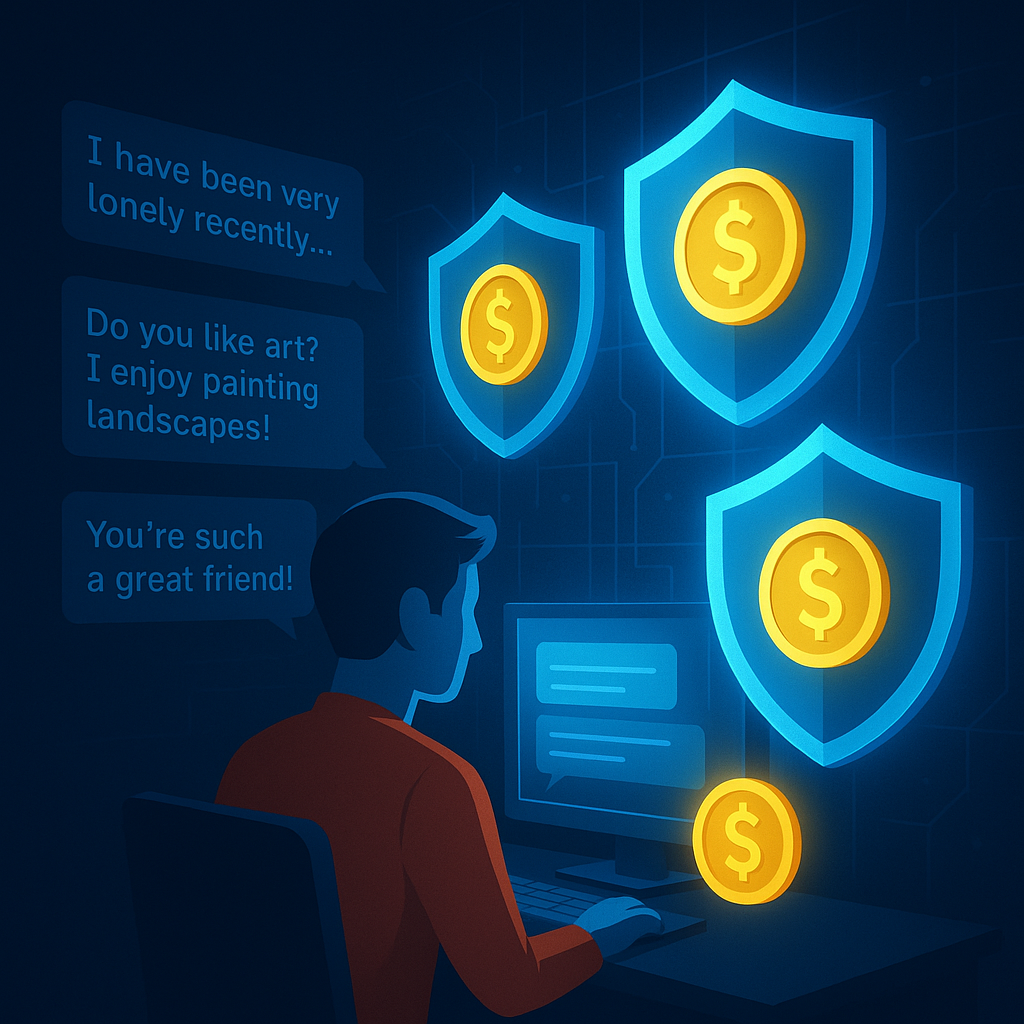
Last week, I came across a heartbreaking story on Reddit that perfectly illustrates the stakes in today’s scam-ridden digital world.
A woman shared how her spouse, seeking advice during a rough patch, was lured into what’s known as a “pig-butchering scam.” These scams start with an innocent outreach; sometimes through a social media group or a “mutual friend” and evolve into carefully scripted, AI-aided conversations. The scammer, often posing as a trusted advisor, builds emotional connection before steering the victim into fraudulent investments.
In this case, the spouse liquidated a savings account worth $500,000 after being convinced to invest in a fake portfolio.
What stood out to me wasn’t just the money lost. It was the way the scammer manipulated loneliness, trust, and vulnerability. The wife described it as financial infidelity. Not cheating, but a hidden betrayal that carried enormous consequences.
Here’s what she wrote:
“The bait person (the pictures were real, but the messages were AI) was obviously trying to flirt on several occasions, but it went right over my spouse’s head. They were completely taken in by overtures of platonic friendship and AI-aided conversations of shared interests. This naivety is an issue from a very sheltered upbringing… They believed they were making a trusted friend. And then they were convinced to invest.”
It’s easy to read this and think, “That would never happen to me.” But scams are evolving faster than our defenses. AI can generate flawless, friendly conversations. Deepfakes can mimic familiar voices. And social platforms, built for connection, have become the perfect hunting grounds for fraud.
Why Traditional Filters Aren’t Enough
Most of today’s defenses against scam (whether on email, phone, or social media) are reactive. They try to detect and block suspicious content. But as scammers use AI to become more convincing, detection becomes an endless arms race.
The truth is, the problem isn’t just technical. It’s economic.
Sending billions of messages costs scammers almost nothing. Even if only 0.01% of people respond, the scam pays off. Victims, meanwhile, carry all the financial and emotional cost.
At FynCom, we believe the only way forward is to flip that equation.
What If Scammers Had to Put Money on the Line?
Imagine if, before anyone could message your loved one on Messenger or Instagram, they had to put down a $100 refundable trust deposit. That money would only be returned if the conversation showed clear signs of legitimacy, for example, after 30 genuine back-and-forth messages.
That kind of barrier would instantly make broad scams financially impossible. No scammer could afford to “spray and pray” when every failed attempt meant real losses.
This isn’t just theory; It’s the principle behind FynCom’s patented Refundable PayWall system. We’ve already applied it to phone calls (via KarmaCall) and email (via FynMail) to block spam and even reward users when bad actors try to reach them.
The next frontier? Social platforms and chat apps.
The Hard Part: Emotions and Adoption
Now, let’s be real. No one installs filters expecting to get scammed. That’s why stories like this Reddit post are so hard. They remind us that technology alone isn’t enough. Human emotions like loneliness, stress and hope, can make anyone vulnerable.
That’s why we envision managed protection systems, where families can help safeguard each other. Just like a spouse might help manage shared finances, they could help configure digital protection without invading privacy, but ensuring spearphishing attempts are blocked before they start.
It’s not about mistrust. It’s about building resilience, together.
The Path Forward
The Reddit story ends with the couple still together, having weathered the storm. But not everyone is so lucky. Many scams end with broken marriages, ruined savings, or shattered trust.
At FynCom, our mission is to make sure those stories don’t happen in the first place. By turning spam and scams into an economic liability for the sender, we’re building a digital ecosystem where trust isn’t just guessed, it’s proven.
If you’ve ever thought, “How can I protect myself or my loved ones from being the next victim?”Stay connected with us. We’re rolling out features that expand protection across more communication channels, bringing us closer to a world where scams simply don’t pay.
Because trust, once hacked, is hard to rebuild. But with the right tools, we can stop it from being stolen in the first place.
👉 Read the original Reddit update here: here.
Learn more about the FynCom Mission